
Overview
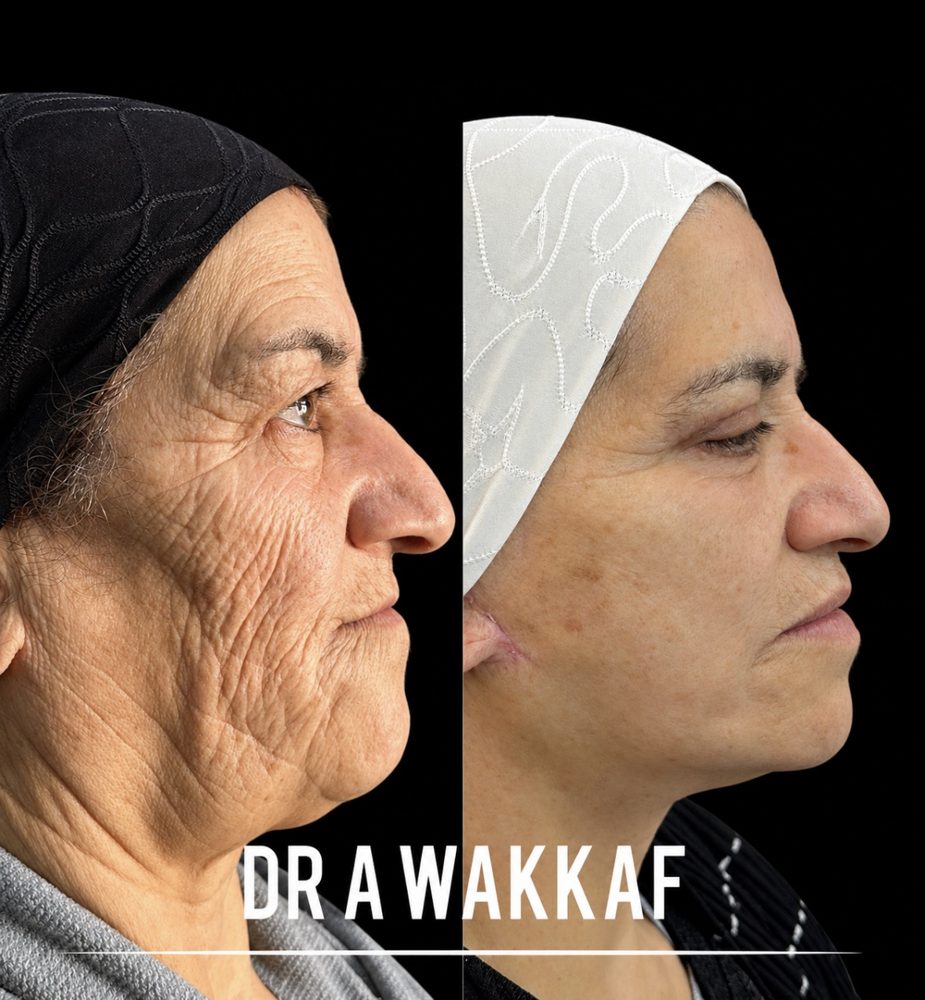
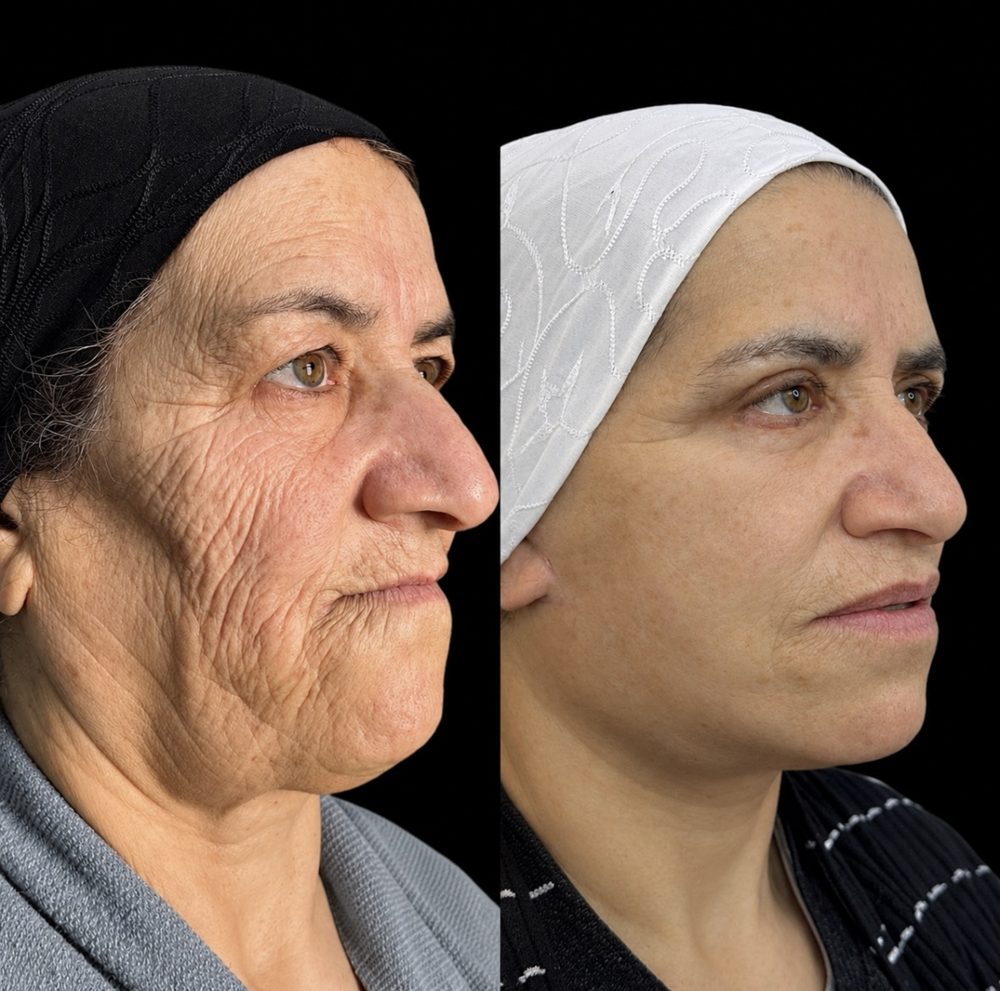
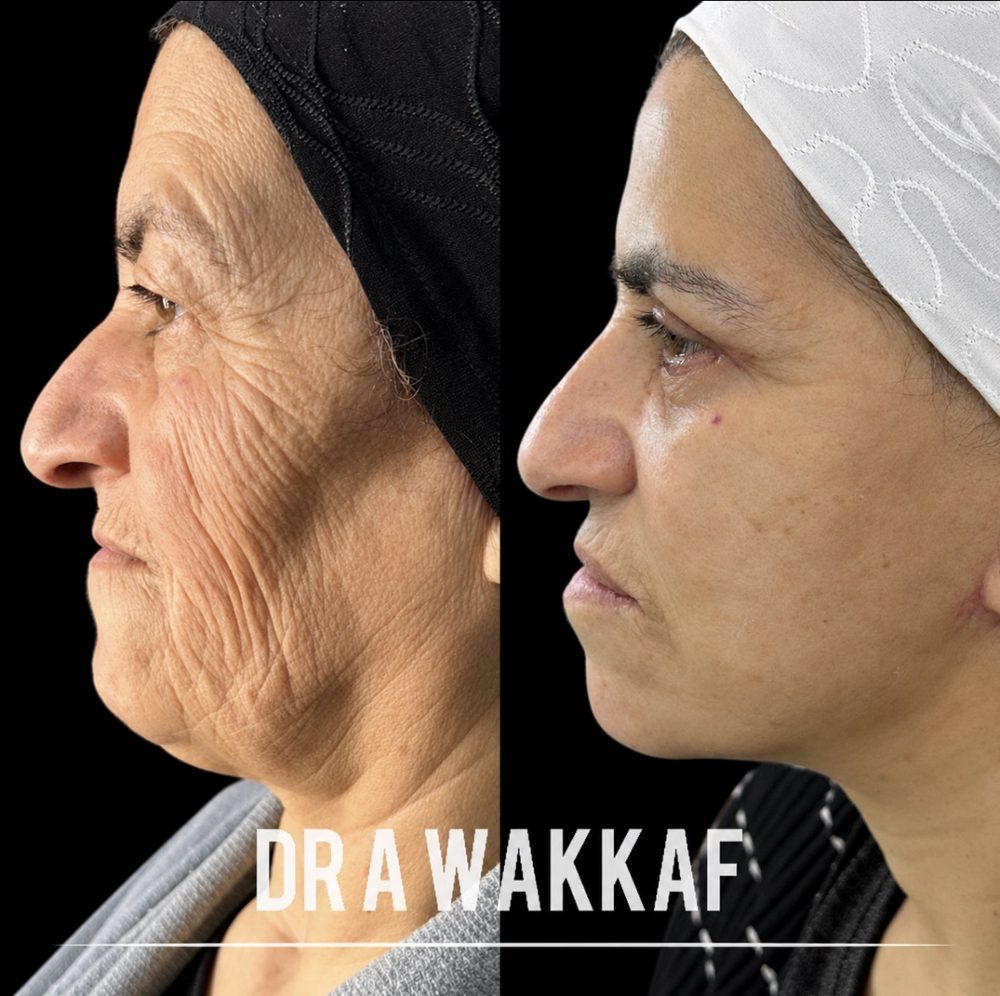
As the face ages, changes in skin elasticity, facial fat distribution and the supporting soft tissues can contribute to the development of jowls, reduced jawline definition and skin laxity around the neck.
Facelift surgery aims to reposition and support the underlying facial tissues while addressing excess skin. Neck lift surgery focuses on improving the contours of the neck, including loose skin, excess fat beneath the chin and, where appropriate, changes involving the platysma muscle.
The surgical approach is individualised according to facial anatomy, tissue laxity, skin quality and the patient's aesthetic objectives.
What concerns can facelift and neck lift surgery address?
- Sagging of the lower face
- Development of jowls
- Loss of jawline definition
- Loose skin around the neck
- Prominent neck muscle bands
- Excess fat beneath the chin
- Loss of definition between the jawline and neck
Understanding facelift techniques
Different surgical approaches are available depending on the degree and distribution of facial ageing.
The surgical plan may involve repositioning the deeper facial support structures, addressing the SMAS layer, managing excess skin and treating the neck where appropriate.
Technique selection should be based on individual anatomy rather than assuming that one facelift technique is suitable for everyone.
Is a facelift suitable for everyone?
Suitability depends on facial anatomy, general health, medical history, skin quality, expectations and the nature of the changes the patient wishes to address.
Patients with primarily skin-quality concerns or loss of facial volume may benefit from other treatments rather than a facelift alone.
A facelift does not stop the natural ageing process, eliminate every facial wrinkle or guarantee permanent results.
Your journey, step by step
Consultation and planning
Your concerns, goals, medical history, and examination findings are discussed, and the options, expected results, and risks are explained in full.
Pre-operative assessment
Any tests or measurements needed are arranged, medication is reviewed, and you receive written preparation instructions and time to reflect before confirming.
The operation
Incisions are placed in and around the ear and hairline where possible. The deeper tissues are lifted and secured, excess skin is removed, and the neck is addressed as planned.
Follow-up
Your recovery is reviewed at scheduled appointments, with advice on activity, scar care, and when to return to normal routines.
Recovery timeline
Swelling, bruising, and tightness are expected. Rest with your head elevated and follow your aftercare instructions.
Sutures are removed in stages. Bruising fades and many people feel comfortable seeing others.
Most swelling settles and you resume normal activities as advised.
Final contour emerges and scars continue to mature.
Recovery varies between individuals. Your personal aftercare plan is provided before surgery.
Risks & considerations
- Bruising, swelling, and a haematoma (collection of blood) needing treatment
- Visible or widened scars, particularly around the ears
- Temporary or, rarely, lasting numbness or weakness of facial nerves
- Skin healing problems, higher in smokers
- Asymmetry, or the need for revision surgery
Frequently asked questions
What is the difference between a facelift and a neck lift?
A facelift primarily addresses ageing changes affecting the lower face, including jowls and jawline definition. A neck lift focuses on loose skin, excess fat and muscle banding in the neck. The procedures may be performed together when appropriate.
What is a deep-plane facelift?
A deep-plane facelift is a surgical approach involving repositioning deeper facial soft tissues and retaining ligament attachments. It differs from techniques that primarily address the skin or SMAS layer. The suitability of any particular approach depends on individual anatomy and surgical assessment.
Does a facelift improve the jawline?
Facelift surgery can improve jawline definition when jowling and soft-tissue descent contribute to an indistinct mandibular contour. The achievable result depends on skin quality, facial structure and the underlying cause of the loss of definition.
Can a facelift be combined with other facial procedures?
Depending on individual assessment, facelift surgery may be considered alongside neck lift, eyelid surgery, brow lift or fat transfer. Combining procedures requires assessment of the additional risks and recovery requirements.
How long do the results last?
A face and neck lift turns back the clock but does not stop ageing. Many people continue to look refreshed for years, and the timing varies between individuals.
Will I look "done"?
The aim is a natural, balanced result. The technique is planned around your anatomy and what you would like to change.
Can it be combined with other procedures?
Often yes, such as eyelid surgery or fat transfer, if it is safe for you. This is discussed at consultation.